Description
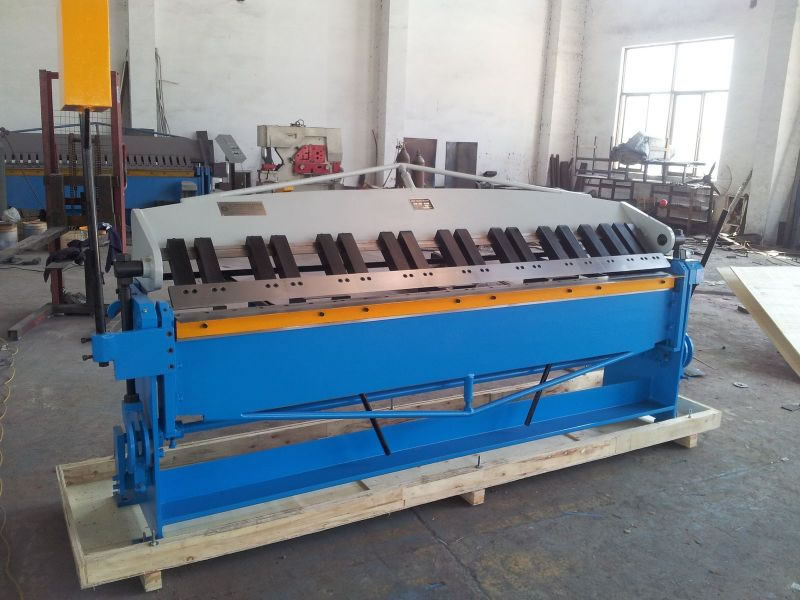
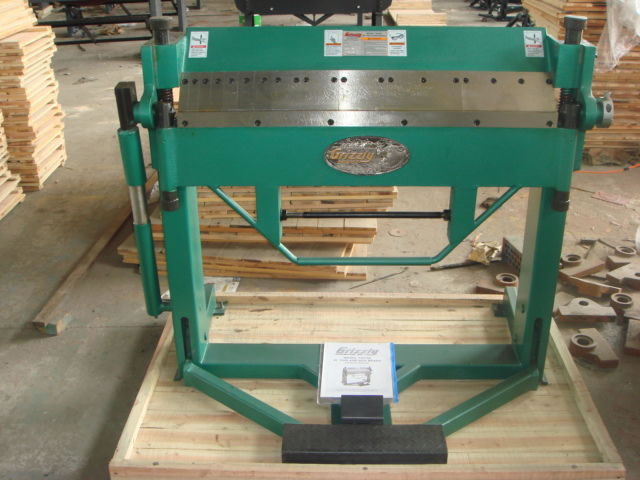
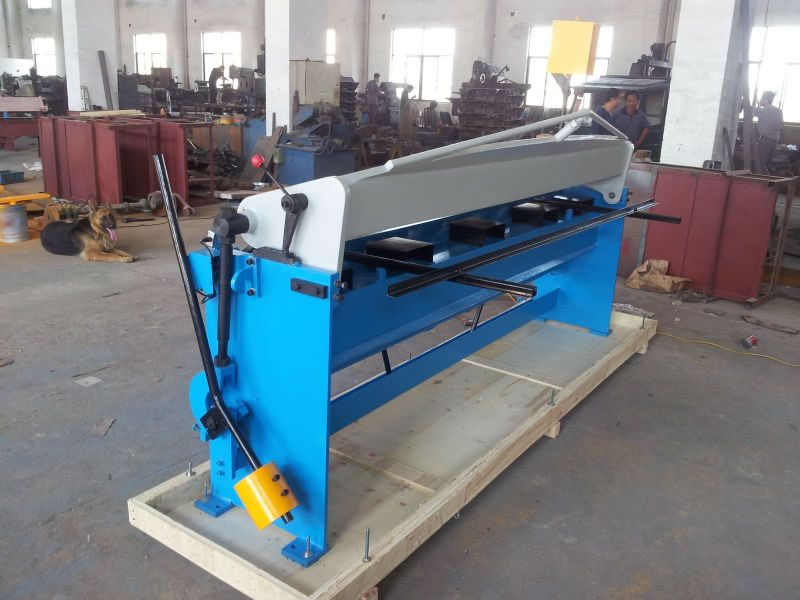
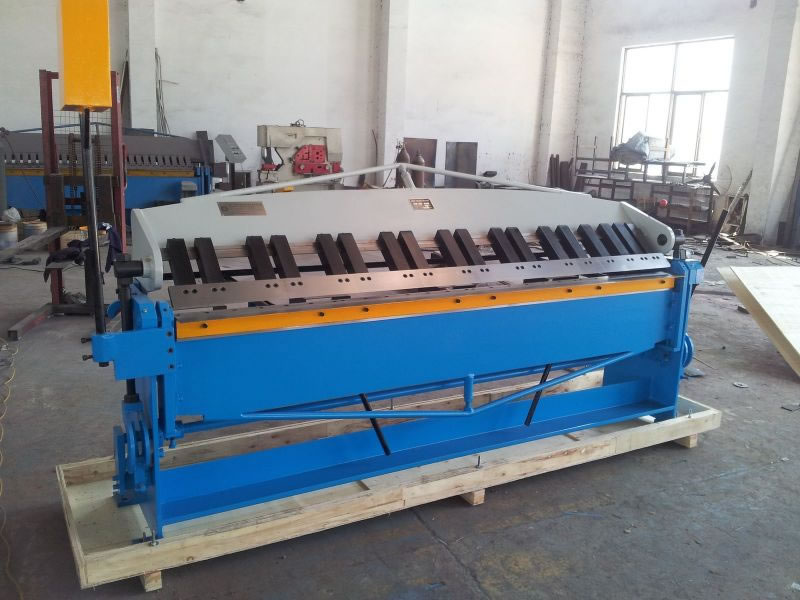
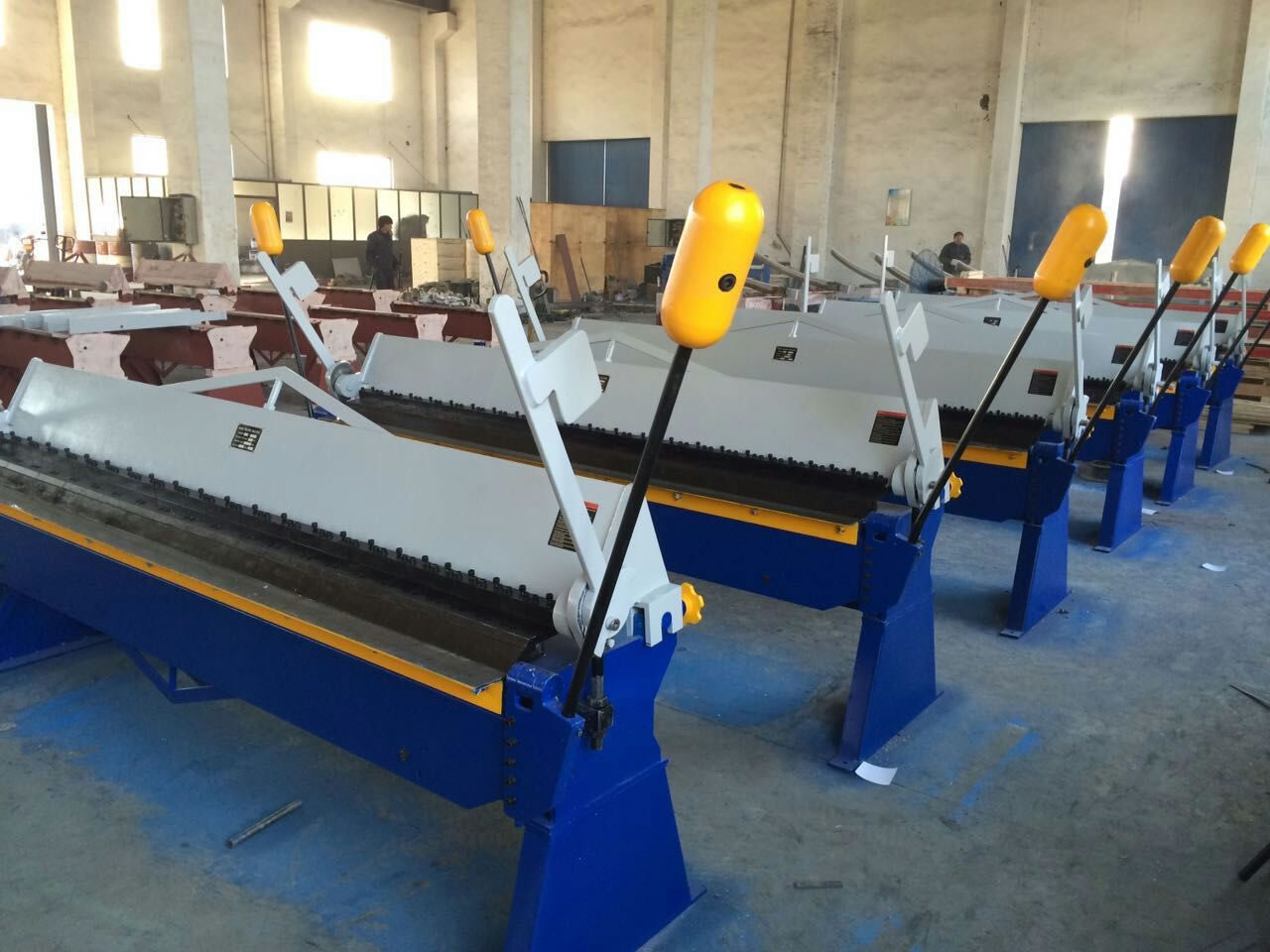
Our manual press brake is designed to offer superior versatility, accuracy, strength and durability. This box and pan brake can bend small tiny things with low cost.
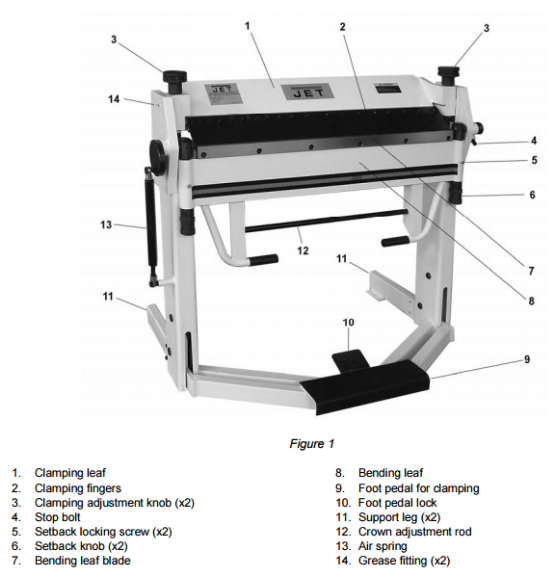
Common Box and Pan Brake Components
Features
This box and pan sheet metal brake contains instructions on installation, safety precautions, general operating procedures, maintenance instructions and parts breakdown. Your machine has been designed and constructed to provide years of trouble-free operation if used in accordance with instructions set forth in this document.
Besides, the precision of our manual press brake is much higher.
Notes
1. Read and understand the user’s manual before attempting assembly or operation.
2. Read and understand the warnings posted on the machine and in the manual. Failure to comply with all of these warnings may cause serious injury.
3. Replace warning labels if they become obscured or removed.
4. Do not exceed the rated capacity of manual folder.
5. Do not use this box and pan brake for other than its intended use. If used for other purposes, we disclaim any real or implied warranty and hold itself harmless from any injury that may result from that use.
6. This box and pan sheet metal brake is designed and intended for use by properly trained and experienced personnel only. If you are not familiar with the proper and safe operation of a brake, do not use it until you are properly trained.
7. Always wear approved safety glasses/face shields while using this machine. Daily eyeglasses are designed with only impact-resistant lenses; they are not safety glasses.
8. Before using the manual press brake, remove tie, watches, rings and other jewelries, and roll sleeves up to the elbows. Do not wear loose clothing, and confine long hair. Anti-skid floor strips or non-slip footwear are recommended.
9. Some dust resulted from power sanding, grinding, sawing, drilling and other activities contains chemicals known to cause disease, birth defects or other reproductive harm. Some examples of these chemicals are:
(1) Lead from lead based paint.
(2) Crystalline silica from cement, bricks, and other masonry products.
(3) Chromium and arsenic from chemically-treated lumber.
Your risk of exposure varies, depending on the frequency of doing this type of work. In order to reduce your exposure to these chemicals, we advise you to work in a well-ventilated area and with approved safety device, such as dust or face masks that are specifically designed to filter out tiny particles.